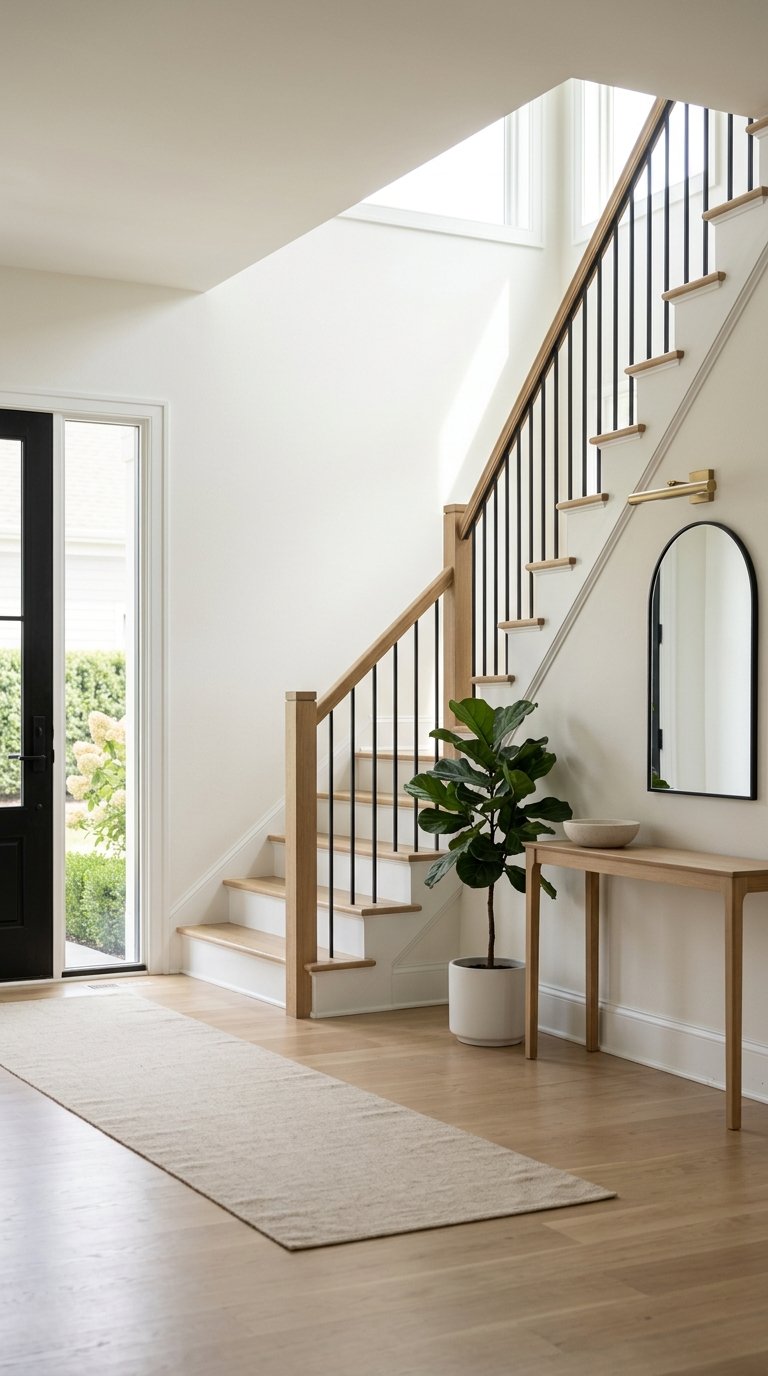
How To Sell Your Home In Lebanon With Confidence
May 28, 2026
May 28, 2026
Selling your home in Lebanon can feel simple at first, until you start thinking about price, prep, showings, inspections, and whether the market will reward your timing. If you want a strong sale without second-guessing every decision, you need a plan that fits how Lebanon is actually performing right now. This guide walks you through what to expect, what matters most, and how to move forward with more clarity and confidence. Let’s dive in.
Lebanon is not behaving like an ultra-hot seller’s market where any home can list high and sell fast. Spring 2026 data shows a more balanced to somewhat competitive market, which means buyers still have options and sellers need to be more strategic.
Recent local snapshots show why pricing and presentation matter. Realtor.com reported a median listing price of $499,900, a median sold price of $431,990, 1,042 active listings, and 45 median days on market in April 2026. Redfin’s March 2026 data showed a median sale price of $421,574, 85 median days on market, a 98.9% sale-to-list ratio, 13.4% of homes selling above list, and 18.8% of listings seeing price drops.
The exact numbers vary by source and timing, but the message is consistent. Homes can sell well in Lebanon, but they usually do not sell on momentum alone. You will likely get the best result when your home is priced correctly, presented well, and launched with a clear strategy.
One of the biggest mistakes sellers make is relying on broad county averages instead of local comparables. Wilson County generally sits at a higher price point than Lebanon overall, so county-level numbers can easily make a Lebanon home look worth more than buyers in that specific pocket will actually pay.
ZIP-level differences inside Lebanon also matter. Recent medians ranged from about $399,900 in 37086 to about $699,225 in 37085. That is a wide spread, and it is why your pricing should be based on nearby comparable sales with similar lot size, property type, condition, and neighborhood context.
A smart pricing approach should look at more than just sold prices. You also want to consider:
Redfin’s Lebanon data suggests the typical sale is about 1% below list and around 79 days to pending, while more desirable homes can go pending in roughly 40 days and closer to list price. That means overpricing can cost you time and negotiating leverage, while underpricing without a clear plan may leave money on the table.
In a market like Lebanon, preparation is not an extra. It is part of the pricing strategy. Buyers notice condition quickly, especially when they are comparing your home to many other options online and in person.
Even small improvements can help your home feel more market-ready. A clean, well-kept home sends a different message than one that feels rushed, cluttered, or unfinished. If buyers see obvious issues in photos or during showings, they may assume there are bigger issues behind the scenes.
Start with the basics:
These steps help buyers focus on the home itself instead of distractions. They can also improve your photography and make showings feel stronger from the start.
Staging can be helpful in Lebanon, especially if your home is vacant, has an unusual layout, or needs help standing out online. According to the National Association of Realtors’ 2025 staging research, 29% of agents said staging increased the dollar value offered by 1% to 10%, and 49% said staging reduced time on market.
That same research found that 83% of buyers’ agents said staging makes it easier for buyers to visualize the property as their future home. Even if you do not fully stage every room, partial staging or a focused styling plan can still make a difference.
If full staging is not in the budget, aim for a polished version of lived-in. That usually means simplified furniture placement, lighter decor, cleaner surfaces, and rooms that clearly show their intended use.
Most buyers start online, and many rely heavily on mobile devices during their search. That means your listing photos, home description, and property details often shape a buyer’s opinion before they ever schedule a showing.
Strong marketing is not just about exposure. It is about helping the right buyers understand what your home offers right away. In a market where homes are not automatically selling overnight, your online presentation needs to do real work.
Focus on these listing essentials:
When buyers see clean visuals and clear information, they are more likely to book a showing with confidence. That can lead to better early interest, which is especially important during your first days on market.
Confidence comes from being prepared, not from hoping tough questions never come up. Tennessee’s Residential Property Disclosure Act requires most sellers of residential real estate to complete a disclosure statement, and the required information can be extensive.
According to the Tennessee Department of Health, sellers should be ready to disclose items such as the property address, age of the home, condition of included amenities, known defects or malfunctions, environmental hazards, encroachments, flood or drainage issues, and remodeling completed without permits or code compliance. Failure to disclose can lead to contract cancellation or legal action.
If your home was built before 1978, a separate lead-based paint disclosure requirement may also apply under federal law. If the property has a septic system, it is also helpful to have septic permits, pumping records, and repair history available, since buyers often ask for those records during due diligence.
Before listing, gather:
This step can save time later and reduce surprises once you are under contract.
Once your home goes live, your job shifts from preparation to consistency. That means keeping the property ready for showings, staying flexible when possible, and paying close attention to buyer feedback during the first days and weeks on market.
Early feedback can tell you a lot. If buyers like the location and layout but hesitate on price or condition, that may signal a fixable issue. If showings are slow from the beginning, pricing or presentation may need attention sooner rather than later.
A balanced market rewards sellers who respond quickly. Waiting too long to adjust can lead to less momentum and more pressure later.
The highest offer is not always the best offer. When reviewing terms, it helps to look at your full net proceeds and your risk level, not just the purchase price.
For financed buyers, the lender will generally order an appraisal during underwriting. Buyers also typically need a home inspection and title insurance before closing. Once underwriting is moving toward the finish line, the timeline can speed up quickly because the buyer must receive the Closing Disclosure at least three business days before closing.
As you compare offers, consider:
This is where calm, clear decision-making matters. A solid offer with cleaner terms can sometimes put you in a better position than a higher number with more uncertainty.
It is easy to focus on list price and overlook the bottom line. In Tennessee, the state realty transfer tax is $0.37 per $100 of purchase price, and the Tennessee Department of Revenue says the responsible party is the grantee or transferee named on the deed.
That said, who pays which closing costs is negotiated in the purchase contract. Your actual net depends on the final agreement, not just on what your home sells for on paper.
This is why net proceeds should be reviewed carefully before you accept an offer. A clean estimate helps you make decisions based on what you will actually walk away with.
Selling with confidence does not mean you control every outcome. It means you understand the local market, prepare the home thoughtfully, price with discipline, and stay ready for the steps that come after you accept an offer.
In Lebanon, that approach matters. With median days on market ranging from roughly 45 to 85 days depending on the source, and with a meaningful share of listings seeing price drops, sellers usually do best when they combine realistic expectations with strong execution.
If you want a sale that feels organized, informed, and less stressful, the goal is simple. Make it easy for buyers to say yes, and make it easy for yourself to move through the process with fewer surprises.
If you’re getting ready to sell in Lebanon and want a step-by-step plan built around your home, your timing, and your goals, Asadoorian Group can help you navigate the process with clear communication and thoughtful strategy.
Stay up to date on the latest real estate trends.
This isn’t just a job, it’s our life. We wake up in the morning focused on your goals and eager to make your life easier. We pride ourselves in providing personalized solutions that bring our clients closer to their dream properties and enhance their long-term wealth. Contact us today to find out how we can be of assistance to you!